
From Video Generators to World Simulators: The 2026 AI Physics Shift
The industry has stopped calling them "video generators." In 2026, we call them World Simulators. Models like OpenAI's Sora, Google's Veo, and Kling have crossed the threshold from visual approximation to underlying physical simulation.
The End of Visual Hallucinations
Remember when AI-generated water looked like sliding plastic? Those days are gone. Modern world models have a fundamental understanding of Newtonian physics:
- Fluid Dynamics: Liquids splash, ripple, and reflect with 100% accuracy.
- Gravity & Collisions: Objects have weight and interact realistically with their environment.
- Refraction & Reflection: Light behaves as it would in the physical world, moving through glass and water correctly.
Consistent Character ID Locks
The "flickering" of 2024 is a distant memory. By using advanced LoRA (Low-Rank Adaptation) and "Character ID" locks, creators can define a digital asset once and use it throughout a feature-length project without a single pixel of variation.
Why This Matters for Development
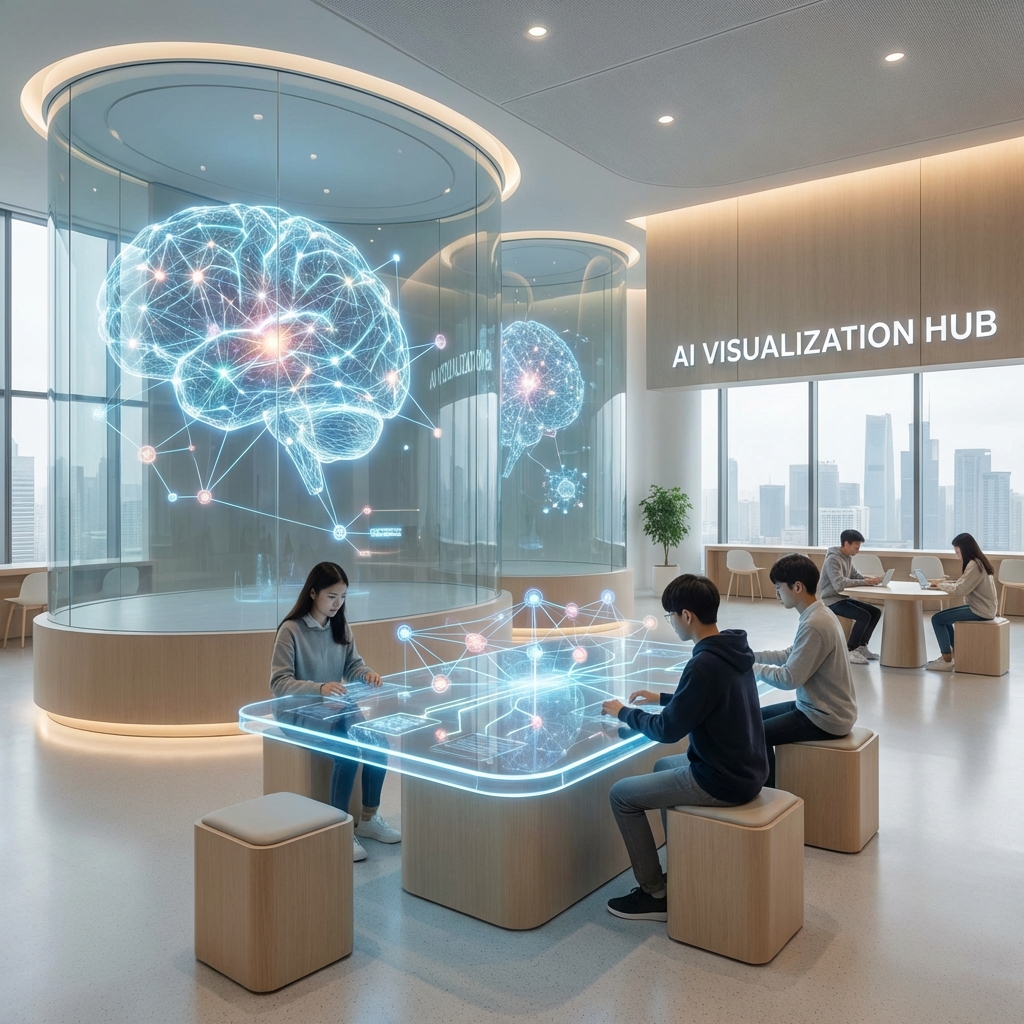
For developers, this shift means we are moving closer to "Simulations-as-a-Service." The same tech powering your favorite AI videos is beginning to power game development and architectural visualization.